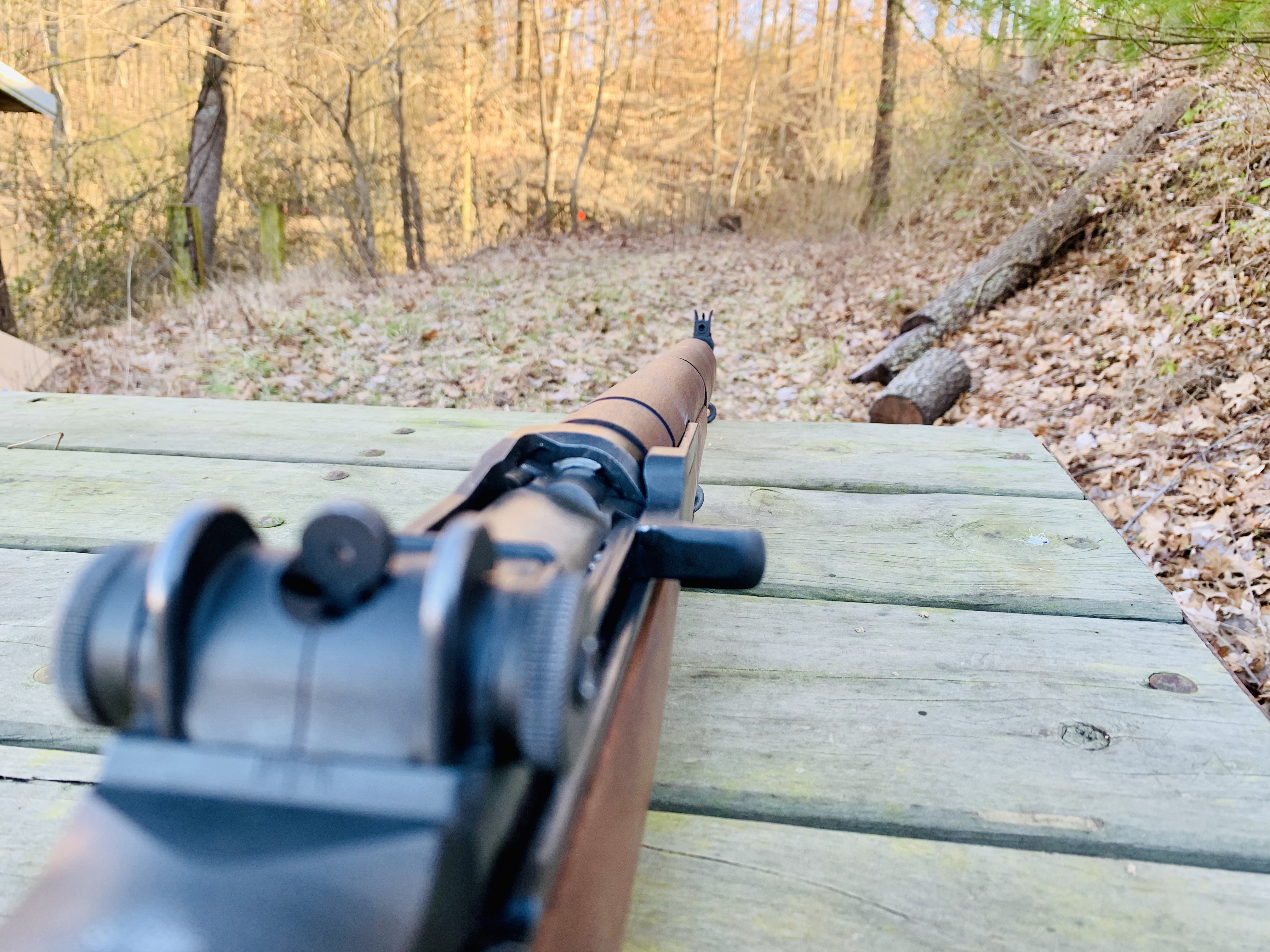
Few firearms invoke the emotional response of the U.S. Rifle Caliber .30 M1, better known as the M1 Garand. Just holding the rifle gives you a sense of patriotism that could be compared to watching Old Glory fly back lit by a 4th of July fireworks display. This same emotion is what drove me 6 hours through the night to the Civilian Marksmanship Program’s Talladega Marksmanship Park in Talladega, AL with an arm full of paperwork and a pocket full of money. (Not for long) A few short hours later I was the proud owner of a Springfield Armory 5.6million Service Grade M1 Garand. To say I was ecstatic is an understatement. I’d read countless articles detailing these eloquent warhorses. Most of the M1’s shortcomings are easily overlooked but the Achilles heel of this seemingly perfect rifle is its delicate operating rod. The M1 was designed for the M2 ball round, a .30-06 Springfield with a very specific powder and burn rate. The use of modern .30-06 ammunition is strongly discouraged as it can severely damage the operating rod. This makes the M1 not only a shooters dream, but a re loaders dream…Kinda.
If i was going to keep my Garand fed, I had to have a large supply of quality brass. I bought a couple hundred pieces of mixed head stamp range pickup brass from a local source. The bulk of the brass was Remington brand brass so that is what I primarily use. I found that Federal brass works well and produces nearly identical results to Remington. I also tested with Winchester brand brass but i would not recommend that for reasons I’ll detail later. I prepared my brass for the Garand meticulously but simply. First I tumbled and polished with a vibratory tumbler. This not only makes your ammo look spectacular, but it can help you find cracks and other flaws in the brass before you start loading if you use range brass. Next I resized and deprimed, nothing special with this, just like any other bottle neck cartridge. The first batch of test loads I made were well within specs and were not trimmed. I found out the hard way that my rifle is very picky to trim length. These first loads gave erratic results in feeding that were later resolved by simply trimming the brass to .30-06 trim to length of 2.484″. After trimming I chamfer, deburr, and cleaned all primer pockets. As long as the brass is in good shape its ready to go at this point.
Few things cause as much debate among reloaders as primers. I opted to use the CCI or Sellier & Bellot large rifle primers I had in stock. I obtained similar results with each. Some may want to choose a primer with a hard cup such as the CCI to avoid runaways. This is also a perfect time to mention that you should have a qualified gunsmith or armorer check your rifle over and instruct you on maintaining the M1. Keep the bolt clean and you shouldn’t have any problems.
Really the only special part of loading for the Garand is the powder choice. The operating rod and gas port are specifically designed for use with the M2 ball round. The collective opinion is that the powder used in the M2 is IMR4895, with a charge weight somewhere around 46-49 grains under a 150 grain FMJ bullet. so thats where I started. All of the following rounds were loaded to the same specs excluding the powder and charge weight. Brass Trimmed to 2.484″, CCI 200 primer, 150 grain FMJ bullet W/C with a COAL of 3.185″
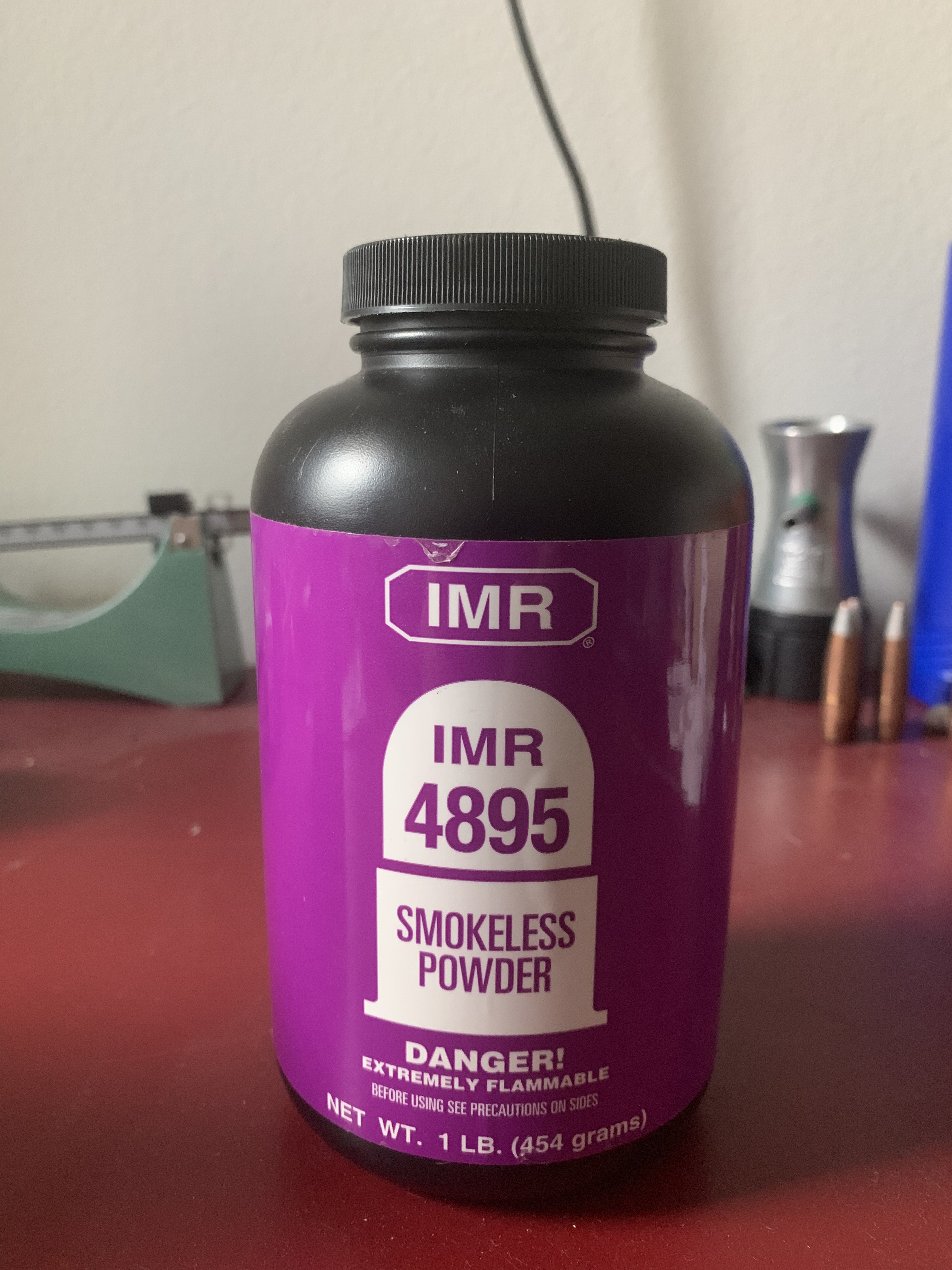
The first powder I tried was the highly recommended IMR4895. The first ladder loads were fired in Winchester brass (remember I said I dont recomend it)
The Winchester brass ladder load had erratic velocity readings and never got to the magic 2700 fps.
- 46.5gr —– AVG 2516.6 fps
- 47gr —– AVG 2478.2 fps
- 47.5gr —– AVG 2496.4 fps
- 48gr —– AVG 2524 fps
- 48.5gr —– AVG 2639.4 fps
- 49gr —– AVG 2653 fps
While I was able to get to the correct velocity, the load required 2 additional grains of powder to get there. For economy and to ease wear on the rifle I decided to use other brass for my M2 duplicate loads.
The Remington brass gave results that seemed to be on par with what I should expect.
- 47.5gr —–AVG 2594 fps
- 48gr —– AVG 2626.33 fps
- 48.5gr —– AVG 2639.4 fps
- 49gr —– AVG 2653 fps fps
While velocity gains were slower as the charge weight increased it proved to be more consistent. Similar results were obtained with Federal brass.
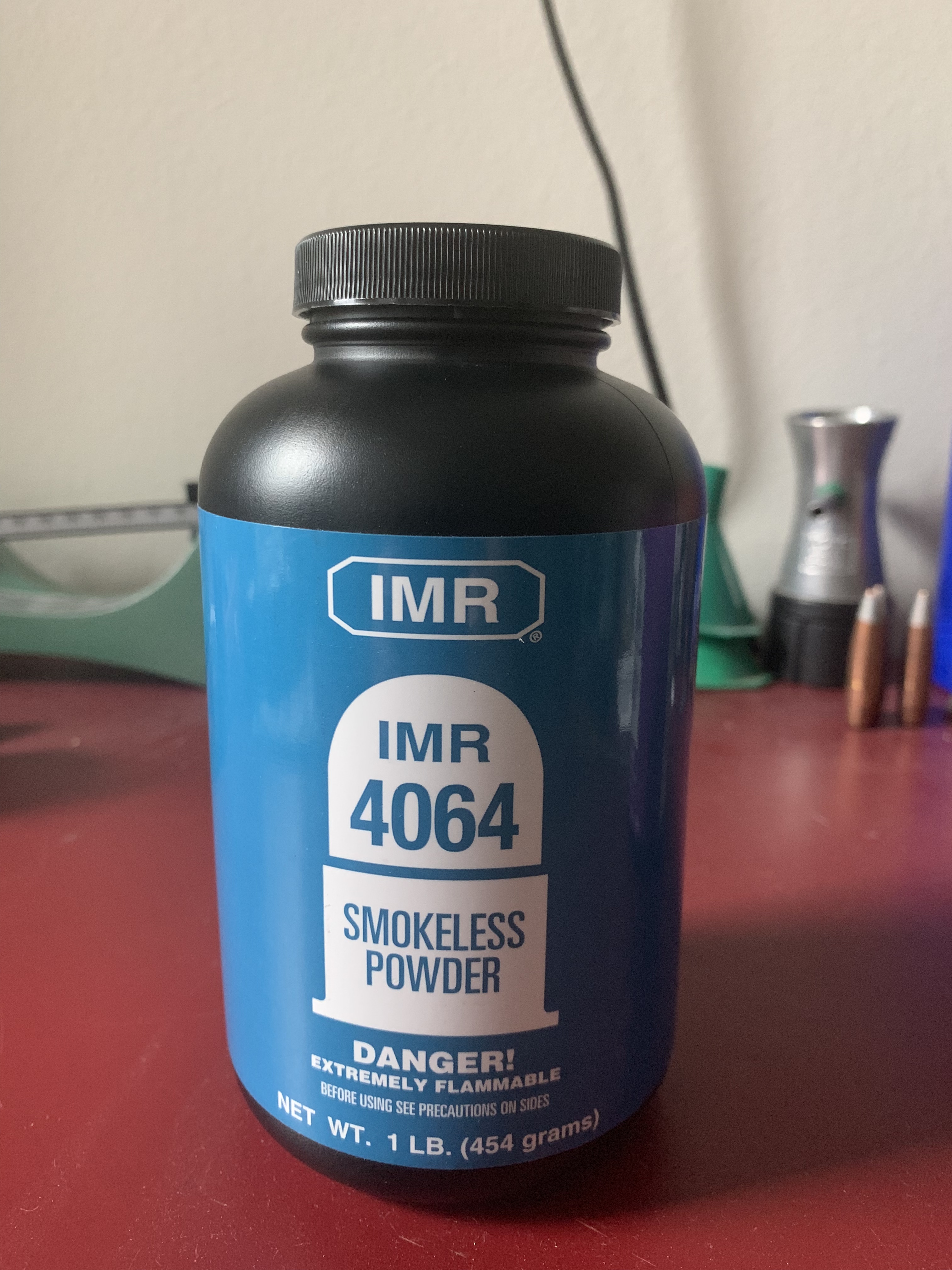
The other powder that seems to come up when loading for the M1 is IMR4064. It has a burn rate similar to IMR4895 therefor should be safe for the operating rod. These loads had a very different feel from the IMR4895 loads. All data but powder and charge are identical.
- 46gr —– AVG 2482.2 fps **
- 46.5 —– AVG 2503.6 fps **
- 47gr —– AVG 2531.6 fps
- 47.5 —– AVG 2571.2 fps
** did not cycle the action
These loads were noticeably “sharper” even causing the rifle (that has ran 100% so far) to eject two and three live rounds from the magazine when ejecting the spent case. I originally loaded a 48gr tier for this test but decided not to shoot them fearing damage to my rifle. I may shoot them in a modern bolt action to see the velocity but I don’t plan to shoot them in my M1. Also note there were no pressure signs on the brass.
Going forward I plan to shoot 48gr of IMR4895 in my rifle as a regular load. These gave exceptional accuracy and reliability in my M1.
I have tried several types of bullets so far. I tried to find a good balance between economy and accuracy. Factory new bullets gave the best accuracy but at almost $.25 each the cost of ringing a large steel target adds up fast. Pulled bullets are a great option at half the cost but I noticed group sizes opening up almost three times. You will just have to weigh the pros and cons of each and decide whats best for your personal situation. I use the Hornady 150gr FMJ (#3037) for a great accurate load thats still very affordable. For pulled bullets I found a local reloading shop that has them for $16.99 per 100, they can be found online even cheaper.
Loading for the M1 can seem rather unexciting in this era of super hot, steep shoulder, VLD everything. I however found it rather exciting not on the basis of finding out what the round can do but bringing the M1 back to life. I consider it a great honor to have one of these masterpieces in my care, so going through the trouble to develop ammunition and load it specifically for my rifle isn’t trouble at all. While I do have a PET load developed for this rifle I plan to continue to try new loads for my M1 and will post updates as they come along. If you’ve read this much sincerely thank you please check back in regularly for up dates and new articles.

 Ammo Science